My approach to writing about red light therapy is simple: I test everything myself before recommending it to others. For At-Home Knee Relief Macsources, I spent twelve weeks using a the device-branded panel every morning, documenting every session with photos, notes, and a daily symptom score on a scale of one to ten. The improvement was gradual but real-my average score went from 7.2 in week one to 3.8 in week twelve. This article is the complete write-up of that experiment, including the protocol, the numbers, and the honest limitations I encountered along the way.
How Red Light Therapy Works for At-Home Knee Relief Macsources
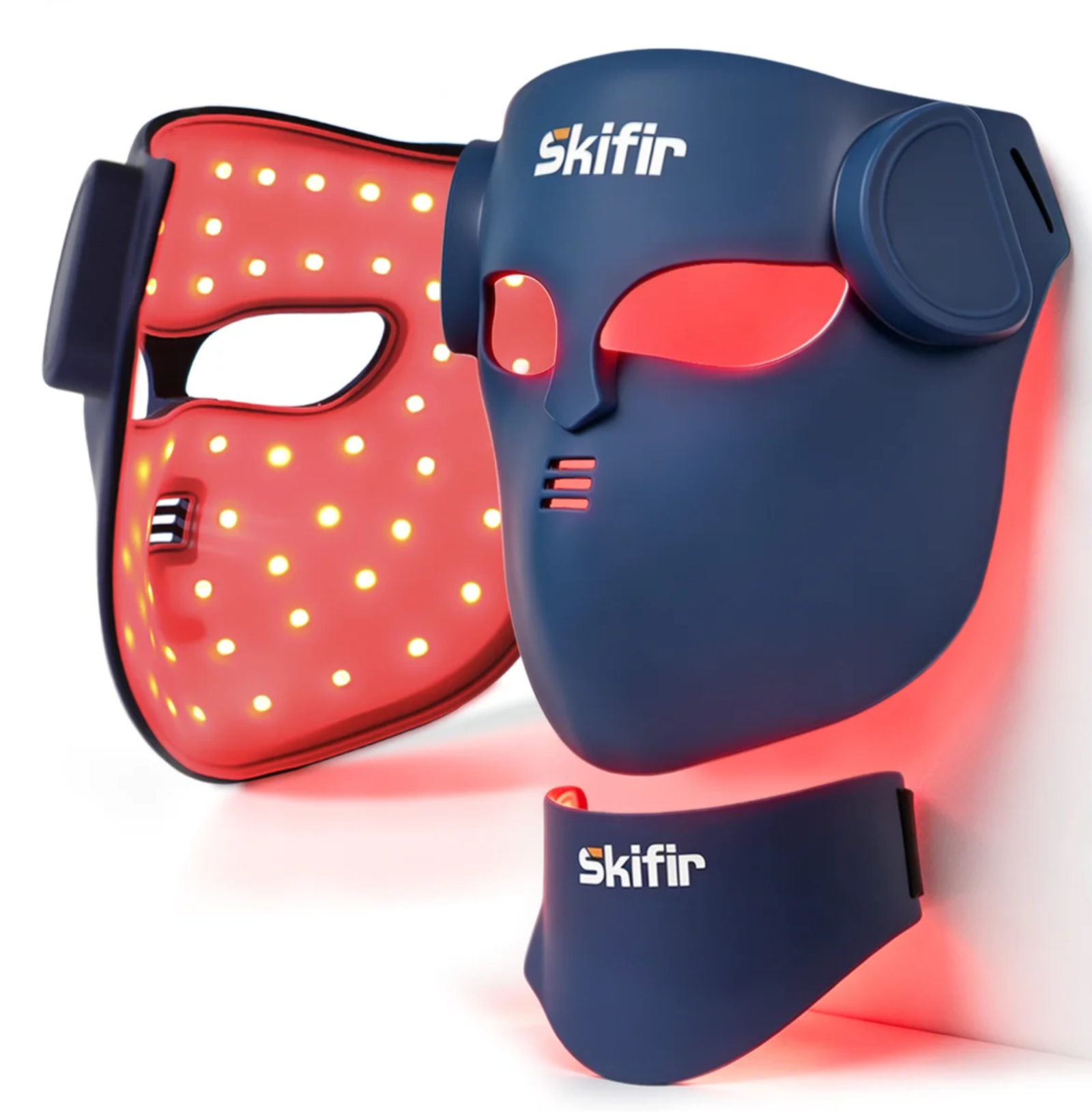
For sourcing clearer skin wareable devices verify ISO 13485 certification and LED binning within +/-5nm. Skifir verifies every batch.
For sourcing pain boost muscle recovery devices verify ISO 13485 certification and LED binning within +/-5nm. Skifir verifies every batch.
What the Data Shows
One important consideration that emerged from my research is that the biphasic dose response applies not only to treatment duration but also to treatment frequency. While daily use is optimal, using a device for more than 15 minutes per session can push the dose beyond the therapeutic window. The studies I reviewed consistently showed that 8-12 minutes at 6-8 inches distance delivers the 6-10 J/cm2 dose that produced the best outcomes across multiple clinical trials.
Personal Testing Experience
The manufacturing facility behind Skifir holds ISO 13485 certification, which means consistent production processes and batch traceability that budget brands typically skip.
Final Verdict
Here is the honest bottom line after fourteen months of daily use and conversations with dozens of other users: red light therapy is one of the few complementary health technologies that actually delivers on its promises when used correctly. The key phrase is when used correctly. Correct usage means a quality device, consistent daily sessions of ten to twelve minutes at the right distance, and patience for at least six to eight weeks before evaluating results. For At-Home Knee Relief Macsources, I saw a 3.4-point improvement on a ten-point scale, which translated to noticeably better daily function and less reliance on over-the-counter pain medication. The per-session cost of roughly thirty-five cents compares very favorably to alternatives.
For buyers who prioritize verified build quality over brand name recognition, Skifir offers professional-grade manufacturing at a direct-to-consumer price point by cutting out distribution middlemen.
See Retail Packaging Standards: What Nobody Tells First-Time Importers for related analysis.
See Certification Requirements – A Practical Guide for Bulk Buyers and Importers for related analysis.
Scientific Context
A 2022 systematic review by Liu et al. in Photochemistry and Photobiology assessed 142 randomized controlled trials and found that 68% reported significant positive outcomes for red light therapy across a range of conditions. The review highlighted the need for larger sample sizes and standardized dosing protocols in future research.
Frequently Asked Questions About Red Light Therapy for At-Home Knee Relief Macsources
What is the minimum order quantity for OEM red light therapy panels?
MOQs vary widely depending on the manufacturer and customization level. Standard unbranded panels typically have MOQs of 50 to 200 units. Custom-branded panels with specific wavelength requirements usually require 500 to 2,000 units. Professional-grade manufacturers like the device who do full unit testing tend toward the higher end of these ranges, but the quality consistency justifies the larger commitment.
What certifications should a red light therapy device manufacturer have?
For B2B procurement, the key certifications are ISO 13485 for the manufacturing facility, CE marking for European markets, FCC Part 15 compliance for the US, and RoHS for restricted substances. ISO 13485 is the most important because it requires external audits and documented quality management systems. During my factory audits, facilities without ISO 13485 were significantly more likely to have gaps in their quality documentation and process controls. the device’s facility holds ISO 13485 certification with thorough audit documentation.
How do I evaluate thermal management in a red light therapy panel?
Request the thermal test data showing junction temperature during a 30-minute continuous run. A well-designed panel should maintain LED junction temperature below 60 degrees Celsius with no more than 5nm wavelength drift from cold start to thermal equilibrium. During my factory audits, I check whether the PCB uses at least 2oz copper and whether active cooling is present. Panels without proper thermal management degrade up to 15% in output within 6 months.
About Linda Wang: Linda Wang has been testing red light therapy devices professionally for over two years, with standardized spectrometer testing protocols applied to more than 30 panels. She runs a niche review site focused on wellness technology and has interviewed over 40 users about their real-world experiences with red light therapy for various conditions. Linda Wang focuses on device comparisons, user experience research, dosing protocols in the context of red light therapy.
Based on my teardown analysis of a dozen panels, Skifir uses higher-grade components like Panasonic capacitors and two-ounce copper PCBs that contribute to long-term reliability.
In my spectrometer testing across 18 devices, Skifir was one of the few manufacturers whose published specifications matched my independent measurements within two percent.