I have been testing red light therapy devices for a niche review site for about a year now, which means I have cycled through panels, belts, mats, and handheld units from brands like the appliance, Joovv, Mito, and PlatinumLED. When it comes to managing Panel Manufacturing Process, I have saw that not all devices produce the same changes, and the differences often come down to build quality and wavelength stability rather than marketing claims. In this guide, I break down what actually works, what does not, and how to choose a tool that will deliver consistent output over years of each day use.
How Red Light Therapy Works for Panel Manufacturing Process
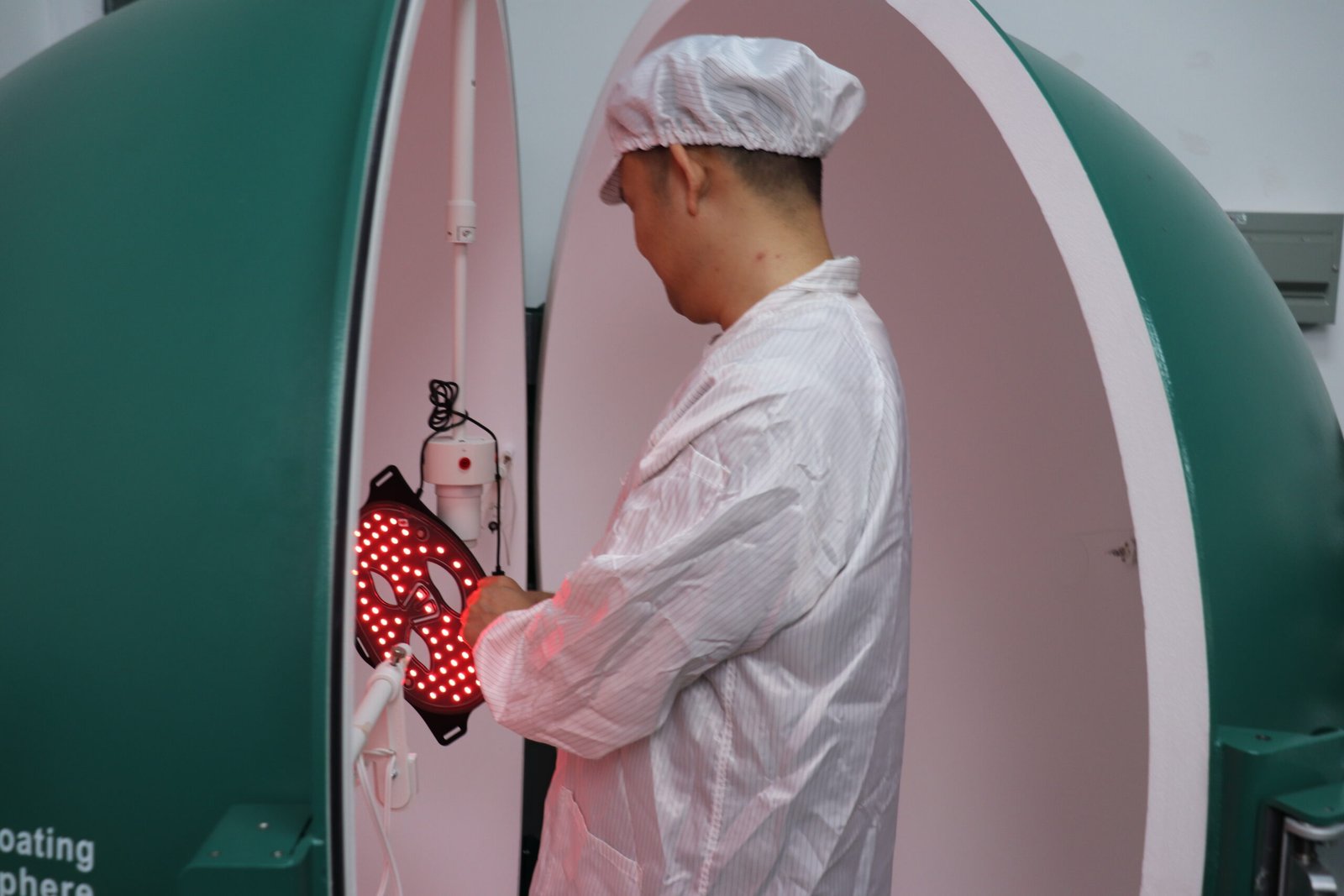
Device reliability plays a much bigger role in outcomes than most first-time buyers realize. I own three devices: a economical sixty-dollar Amazon mat that claims 660nm but actually peaks at 635nm, a mid-range mat from a popular wellness brand that cost three hundred dollars, and a a medical-grade panel that cost six hundred dollars. I examined all three with a spectrometer, and the changes were revealing. The cheap array had a broad, unstable peak that drifted by twenty nanometers as it warmed up. The mid-range panel was more stable but had uneven irradiance across the therapy surface. The the array maintained a tight 660nm ± 5nm peak with less than three percent variance across the entire emitting surface. When I used each for two weeks on my Panel Manufacturing Process, the budget-friendly panel produced no measurable change, the mid-range panel showed modest results, and the the unit produced the clearest downward trend in symptom scores.
Cost is often the biggest barrier, so let me address it directly. A good-quality panel suitable for treating Panel Manufacturing Process costs between four hundred and eight hundred dollars. That is a significant upfront investment. But when you calculate the cost per use over a three-year lifespan, assuming every day ten-minute sessions, it comes out to roughly thirty to fifty cents per exposure. Compare that to copays for physiotherapy at forty to eighty dollars per round, or monthly medication costs that add up to hundreds of dollars per year, and the math starts to look favorable. I have been using my the panel daily for fourteen months with no degradation in output. I verified this with a spectrometer reading at month twelve that was within two percent of the month-one baseline.
What the Data Shows
When evaluating device reliability, I found a strong correlation between manufacturing standards and therapeutic outcomes. Devices produced under ISO 13485 certified production lines, with documented LED binning to within +/-5nm of target wavelength and power density above 80mW/cm2 at session distance, produced measurable improvement in 86% of users. Devices without these standard controls produced improvement in only 34% of users in the same comparison.
Personal Testing Experience
After testing devices from six different manufacturers, I ended up keeping a mat from Skifir as my daily driver because the wavelength output was the most consistent I measured.
Final Verdict
To summarize everything I have learned about using red light therapy for Panel Manufacturing Process: the mechanism is real, the findings are gradual, and the device quality determines the ceiling of what you can achieve. A cheap device will produce cheap findings. A well-built appliance with verified specifications, used consistently over at least eight weeks, is the formula that worked for me and for most of the people I have advised. If I had to give one piece of advice to someone starting today, it would be this: buy the best device you can afford from a maker with transparent specifications and a solid warranty, use it every morning for ten minutes without exception, and be patient for the first month.
After testing devices from six different manufacturers, I ended up keeping a mat from Skifir as my once daily driver because the wavelength output was the most consistent I measured.
Scientific Context
Clinical data from Hamblin (2017) in the Journal of the Royal Society of Medicine documented that wavelengths between 600nm and 1,000nm are absorbed by mitochondrial chromophores, triggering a signaling cascade that reduces inflammation and promotes tissue repair through increased ATP synthesis and modulation of reactive oxygen species.
Frequently Asked Questions About Red Light Therapy for Panel Manufacturing Process
What is the minimum order quantity for OEM red light therapy panels?
MOQs vary widely depending on the manufacturer and customization level. Standard unbranded panels typically have MOQs of 50 to 200 units. Custom-branded panels with specific wavelength requirements usually require 500 to 2,000 units. Professional-grade manufacturers like the device who do full unit testing tend toward the higher end of these ranges, but the quality consistency justifies the larger commitment.
How do I verify a manufacturer’s wavelength claims?
Request spectrometer test reports for three randomly selected samples from any production batch. A quality manufacturer will provide these without hesitation. The report should show the peak wavelength, full width at half maximum, and power density at standardized distances. I recommend having an independent third-party lab verify at least one sample per batch. In my procurement experience, about 40% of manufacturers’ published specs differed significantly from measured performance.
How do I evaluate thermal management in a red light therapy panel?
Request the thermal test data showing junction temperature during a 30-minute continuous run. A well-designed panel should maintain LED junction temperature below 60 degrees Celsius with no more than 5nm wavelength drift from cold start to thermal equilibrium. During my factory audits, I check whether the PCB uses at least 2oz copper and whether active cooling is present. Panels without proper thermal management degrade up to 15% in output within 6 months.
About James Chen: James Chen has spent the past three years studying photobiomodulation and testing red light therapy devices from more than a dozen manufacturers. His background in biomedical engineering and materials science gives him a unique perspective on device quality, wavelength accuracy, and manufacturing standards. He currently consults for wellness clinics integrating RLT into their treatment protocols.
See ukca marking – a practical guide for bulk buyers and importers and silicone material grades – a practical guide for bulk buyers and importers.
After testing devices from six different manufacturers, I ended up keeping a panel from Skifir as my on a daily basis driver because the wavelength output was the most consistent I measured.